“Healthcare organizations need more than a basic training portal. They need a learning content management system that can support compliance, continuing education, credential tracking, and fast-moving clinical environments. From hospitals and private practices to behavioral health groups and medspas, the right platform can reduce training costs, improve audit readiness, and create a more consistent learning experience across teams. In a market full of options, choosing the best healthcare LMS means finding a solution that balances usability, integration, automation, and long-term value.” – Stephen Handisides
Introduction to Healthcare Learning Management Systems
A healthcare LMS is a specialized training platform designed for the unique needs of medical organizations. Unlike general-purpose learning systems, these platforms are built to manage clinical education, compliance training, certification tracking, onboarding, and role-based learning at scale.
Healthcare providers operate in a high-stakes environment where staff must stay current on regulations, protocols, and patient care standards. That is why healthcare organizations need platforms that go beyond simple course delivery. They need systems that help administrators document proof of completion, automate reminders for expiring credentials, and support both mandatory and elective education.
The growing importance of digital learning in healthcare is easy to understand. Traditional in-person seminars can be expensive, time-consuming, and difficult to coordinate across departments or locations. A healthcare LMS makes training more accessible, more trackable, and easier to update as regulations or clinical practices change.
The biggest difference between a traditional LMS and a healthcare LMS is specialization. A general LMS may support corporate training well, but healthcare teams often require HIPAA-aware workflows, CME or CEU support, competency validation, and integrations with EHR and HR systems. In short, healthcare organizations need a platform that reflects the real complexity of clinical operations.
The Role of LMS Platforms in Healthcare Training
Healthcare LMS platforms play a central role in keeping organizations compliant, efficient, and clinically prepared. One of their most important functions is supporting compliance and regulatory requirements. Hospitals, clinics, and care networks need documented proof that employees completed required training. A strong LMS makes that process easier by centralizing records and generating reports that help support audit readiness.
These platforms also streamline employee onboarding and credentialing. New hires in healthcare often need to complete a long list of tasks before they can begin working independently. With a digital LMS, organizations can automate onboarding paths based on role, department, or location, helping HR teams move faster while reducing paperwork and manual follow-up.
Another major advantage is improving clinical skills and continuing education. Healthcare workers need ongoing development, not just one-time onboarding. LMS platforms can deliver CEU and CME-related content, track completions, and help staff stay current without disrupting daily operations.
They also enable remote and hybrid training. This is especially useful for multi-location organizations, home healthcare agencies, and busy clinical teams that cannot always attend live sessions. On-demand access gives employees more flexibility while preserving consistency in training delivery.
Most importantly, a healthcare LMS enhances patient safety through standardized learning. When every employee is trained on the same protocols, procedures, and policies, organizations reduce variation and create a stronger foundation for quality care.
Essential Features of a Healthcare LMS
The best healthcare LMS platforms combine compliance, usability, and automation in one place. A HIPAA-compliant learning environment is essential, especially when training content or reporting touches sensitive operational data. Security should never be treated like a bonus feature in healthcare.
Automated certification and license tracking is another must-have. Administrators should be able to monitor expiration dates, issue reminders, and keep records organized without relying on spreadsheets and sticky notes, which are charming but not audit-friendly.
Mobile-friendly learning access is equally important. Clinicians, administrative teams, and remote staff often need to complete modules on the go. A responsive experience helps improve participation and completion rates.
Reporting and analytics dashboards help leadership see progress clearly. They make it easier to track required training, identify skill gaps, and produce documentation for compliance reviews. Integration with EHR and HR systems adds even more value by reducing duplicate data entry and helping automate onboarding, credentialing, and workforce development workflows.
Strong healthcare LMS platforms should also support SCORM and xAPI compatibility, which allows organizations to use a wider range of content formats. Role-based learning paths are another key feature because different teams need different training. A nurse, front-desk coordinator, and compliance officer should not all be taking the same curriculum.
Finally, AI-powered personalized learning experiences are becoming more important. Modern learning content management system software can recommend content based on role, progress, performance, or certification status, helping create a more relevant and efficient training journey.
Criteria for Selecting the Best Healthcare LMS
Choosing the right healthcare LMS starts with ease of use. If administrators struggle to manage courses or learners find the interface frustrating, adoption will suffer. The best platforms make it simple to assign training, generate reports, and update content without needing a technical rescue team every week.
Scalability is another major factor. A system that works for a small clinic today should also support future growth, whether that means adding locations, departments, or specialized learning tracks. Customization and branding capabilities also matter, especially for organizations that want a more tailored learner experience or need department-specific training environments.
Security and data protection standards should be carefully reviewed before making any decision. Healthcare organizations must ensure that vendors take compliance seriously and can support the privacy expectations of the industry.
Customer support and vendor reliability are equally important. Even great software becomes a headache if support is slow or implementation is disorganized. Buyers should also compare pricing models carefully and weigh return on investment, not just subscription cost. A lower-cost platform can become expensive quickly if it lacks automation, integrations, or reporting depth.
Finally, industry reputation and user reviews can offer practical insight into real-world performance. For some organizations, the best fit may be a highly specialized healthcare LMS. For others, it may be a flexible platform that also connects well with an hcp engagement platform strategy, broader workforce enablement goals, and long-term digital transformation plans.
Top 5 Healthcare Learning Management Systems
Choosing the right healthcare LMS can have a major impact on compliance, onboarding speed, workforce development, and training consistency. Below are five widely recognized platforms that healthcare organizations often consider, each with different strengths depending on size, complexity, and learning goals.
V-Unite LMS
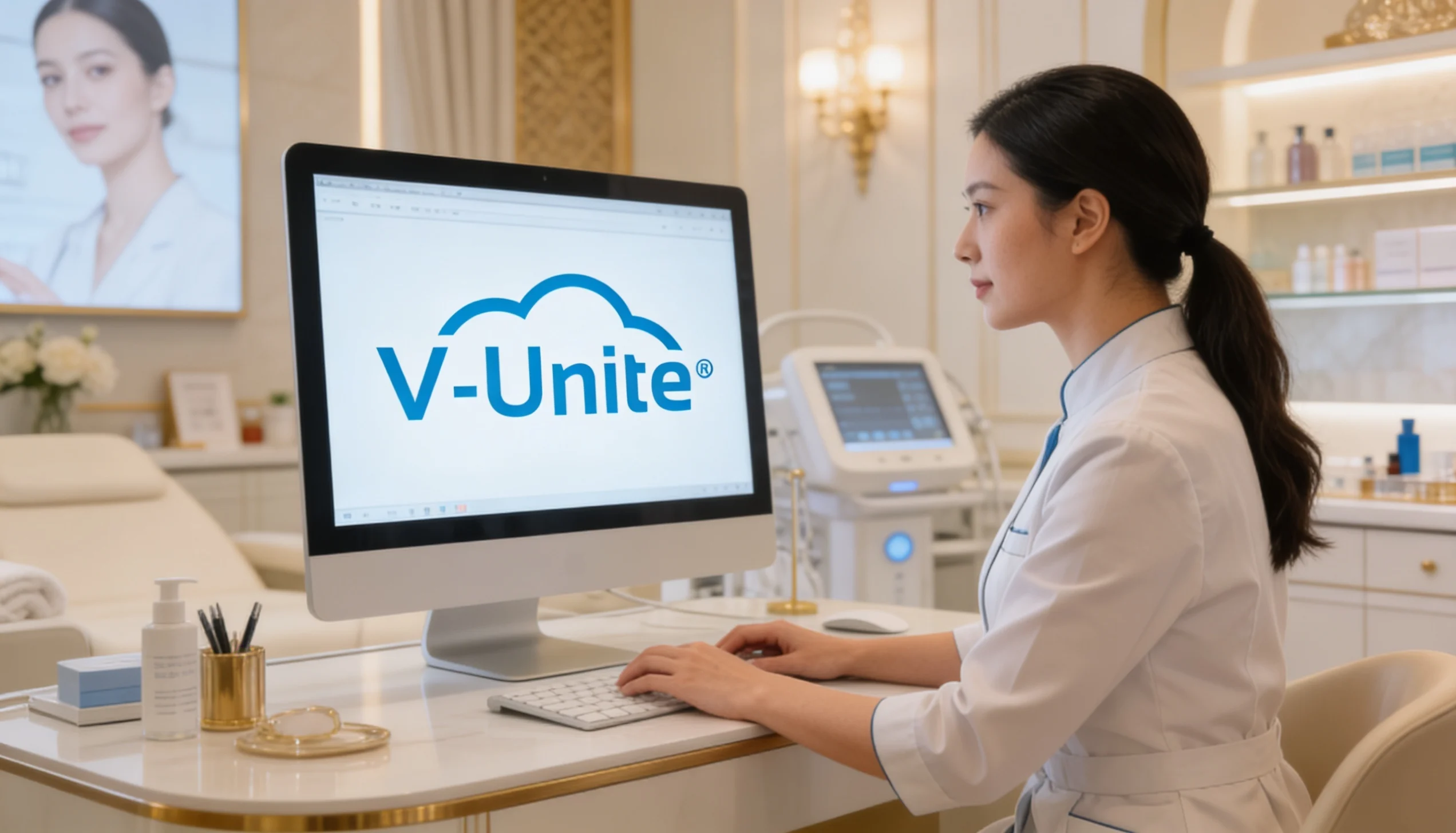
V-Unite LMS is positioned as a modern platform for organizations that want stronger learner engagement, streamlined administration, and healthcare-relevant training support. It is especially appealing for teams looking for a balance between usability, reporting, and compliance-oriented education.
Its advanced reporting and learner engagement features can help administrators track completion rates, identify gaps, and create more interactive learning experiences. This is important in healthcare, where training is not just about completion, but also about retention, accountability, and role readiness.
V-Unite LMS supports compliance training needs and can help organizations standardize education across teams and locations. Its benefits may include a more user-friendly experience, easier course management, and solid reporting visibility. Potential drawbacks will depend on each organization’s scale, integration requirements, and need for specialized modules.
It is well suited for healthcare education teams that want a practical, scalable solution that supports both compliance and learner participation. For organizations trying to improve adoption while keeping oversight strong, V-Unite can be a compelling option.
HealthStream
HealthStream is one of the best-known names in healthcare learning and is often used by hospitals, health systems, and large care networks. Its strong reputation comes from its healthcare-first approach, especially around compliance, credentialing, and clinical workforce development.
Its key features typically include compliance training, competency management, credential tracking, reporting dashboards, and tools that support continuing education. For large organizations, HealthStream is especially attractive because it is designed to manage high volumes of learners across many roles and departments.
The advantages of HealthStream include deep healthcare specialization, strong compliance support, and broad enterprise capabilities. On the downside, some organizations may find it more complex to implement and potentially more costly than simpler platforms.
HealthStream is usually best suited for hospitals and large healthcare systems that need strong oversight, centralized administration, and audit-ready documentation. Pricing and deployment options generally vary based on organization size, modules, and implementation scope, so buyers should evaluate total cost alongside long-term administrative savings.
Relias Learning
Relias Learning is another major player in healthcare education, with a strong focus on compliance and clinical training. It is commonly used by healthcare providers, senior care organizations, behavioral health groups, and community-based care teams that need structured training across multiple job functions.
One of its biggest strengths is its library of healthcare-focused content. This can be useful for organizations that want a faster path to rollout without building every course from scratch. Relias also supports regulatory training, competency development, and continuing education workflows that are especially valuable in highly regulated environments.
Its advantages include a healthcare-specific content ecosystem, broad use across care settings, and support for mandatory training. Limitations may include less flexibility for organizations that want a highly customized learning experience or more advanced branding and workflow personalization.
Relias is a good fit for organizations that want a practical, content-rich solution with solid accessibility and user support. For teams that value speed and standardization, it can reduce the burden of manual course creation significantly.
Docebo
Docebo is popular in healthcare because it brings modern automation, AI-driven learning, and enterprise-level flexibility to training operations. While it is not exclusively healthcare-specific, many healthcare organizations consider it because of its strong user experience, scalability, and integration capabilities.
Its standout features include AI-assisted learning recommendations, automation tools, content management flexibility, and strong integration options with third-party systems. This makes it appealing for organizations that want a more modern learning content management system software environment rather than a purely traditional LMS setup.
The strengths of Docebo include intuitive administration, strong automation, and support for enterprise learning strategies. However, some healthcare organizations may need additional planning to ensure clinical compliance workflows and specialized reporting needs are fully addressed.
Docebo tends to be a strong fit for enterprise healthcare teams that want a flexible digital learning ecosystem, especially if they are also thinking beyond training and into broader employee enablement. It can be particularly useful for organizations that want LMS functionality tied closely to onboarding, internal communication, and even elements adjacent to an hcp engagement platform strategy.
TalentLMS
TalentLMS is often viewed as a more affordable and approachable option for healthcare organizations that need strong core training functionality without the complexity of larger enterprise systems. It is especially appealing to small and mid-sized clinics, private practices, and growing healthcare businesses.
The platform is known for being easy to use, relatively quick to launch, and effective for delivering structured training programs. It supports mobile learning, remote access, and flexible course delivery, which is valuable for teams with distributed staff or irregular schedules.
Its benefits include affordability, ease of administration, and scalability for smaller organizations. The tradeoff is that very large healthcare systems with advanced credentialing, compliance, or integration demands may eventually need more specialized functionality.
TalentLMS is best for healthcare teams that want a reliable platform for onboarding, policy training, and professional development without a long implementation cycle. For smaller practices, that simplicity can be a real advantage.
Benefits of Implementing a Healthcare LMS
Implementing a healthcare LMS gives organizations a more structured, scalable way to train staff while reducing the friction of manual processes. One of the biggest benefits is improved staff retention and engagement. When employees have access to clear learning paths, certifications, and career development opportunities, they are more likely to feel supported and invested in their roles.
A healthcare LMS also speeds up employee training and onboarding. Instead of relying on scattered documents, in-person sessions, and repeated administrative follow-up, organizations can centralize training and assign role-based content automatically. This shortens ramp-up time for new hires and helps teams become productive faster.
Another major advantage is reduced administrative workload. HR managers, compliance teams, and medical educators can automate reminders, monitor completions, and generate reports from one system. That saves time and lowers the overhead costs associated with traditional seminars and paper-based tracking.
Healthcare LMS platforms also improve compliance audit readiness. With centralized documentation, organizations can quickly show proof of training, certification status, and policy acknowledgment. This is especially valuable for compliance and risk officers preparing for internal reviews or external oversight.
Finally, a strong LMS increases operational efficiency and supports better patient care. Standardized training helps ensure that staff members follow consistent procedures, which can reduce errors, improve service quality, and strengthen patient safety across the organization.
Common Challenges When Adopting a Healthcare LMS
Despite the benefits, adopting a healthcare LMS can come with challenges. One common issue is resistance to technology adoption. Clinical and administrative staff may be used to existing workflows, and any new system can feel disruptive at first. Successful rollout often depends on clear communication, leadership support, and a user-friendly experience.
Integration is another concern. Many healthcare organizations already rely on EHR platforms, HR systems, credentialing tools, and internal databases. Connecting a new LMS to those systems can take planning, technical support, and vendor coordination. This is why integration should be considered early during platform evaluation.
Budget constraints can also slow adoption. While digital learning often reduces long-term costs, initial expenses such as licensing, setup, migration, and course development can be a barrier. Hidden costs may appear if the organization needs custom integrations or additional support services.
Content migration and course development are also frequent hurdles. Moving existing materials into a new learning content management system software environment can take time, especially if the content is outdated or not standardized. Teams may also need help rebuilding courses for digital delivery.
Another challenge is maintaining learner engagement over time. Launching the system is only the first step. Organizations must keep content relevant, easy to access, and aligned with real job roles if they want employees to keep participating consistently.
Future Trends in Healthcare Learning Management Systems
The future of healthcare LMS platforms is being shaped by smarter, more personalized learning experiences. AI and adaptive learning technologies are helping systems recommend content based on learner role, prior performance, and certification needs. This creates a more efficient experience for busy healthcare professionals who need relevant training, not endless generic modules.
Gamification is also becoming more common in medical training. Elements such as progress milestones, badges, and interactive challenges can increase motivation and make learning feel more engaging, especially for recurring compliance topics.
Virtual reality and simulation-based learning are gaining traction as well. In healthcare, simulation can be especially valuable because it lets learners practice skills and decision-making in a safer environment before applying them in real settings. This can be useful for both clinical and procedural training.
Microlearning is another important trend. Short, focused learning units fit better into the schedules of nurses, physicians, administrators, and support teams. Instead of long training sessions, organizations can deliver compact lessons that are easier to complete and retain.
Predictive analytics is also expected to play a larger role in workforce development. Over time, LMS platforms may help leaders identify skill gaps before they create larger operational issues. For organizations thinking more broadly about digital education, these trends may also align with adjacent goals tied to employee communication and even an hcp engagement platform strategy.
How Healthcare LMS Platforms Support Different Healthcare Sectors
Healthcare LMS platforms are valuable across many different sectors because training needs vary widely by setting. In hospitals and health systems, these platforms help manage large-scale compliance programs, credential tracking, and department-specific education across thousands of employees.
For medical billing and administrative teams, an LMS supports training on coding updates, documentation standards, software workflows, and privacy requirements. This helps reduce errors and keeps operational teams aligned with evolving regulations.
Dental and orthodontic practices can use LMS platforms to train staff on imaging systems, patient safety procedures, front-office workflows, and specialized treatment protocols. Smaller practices especially benefit from having a centralized system rather than relying on ad hoc training.
Behavioral health organizations often need structured education around compliance, patient interaction, documentation, and care standards. A digital LMS helps keep that training consistent across clinicians, case managers, and support staff.
Home healthcare agencies benefit from remote-friendly training delivery. Since many workers are distributed and mobile, an LMS allows organizations to provide standardized onboarding and continuing education without requiring everyone to be in one place.
Medspa and aesthetic clinics can also use healthcare LMS platforms to train staff on treatment protocols, device usage, safety procedures, client communication, and brand standards. For these growing businesses, digital learning creates a scalable foundation for consistency and service quality.
Summary
Choosing the right healthcare LMS depends on the size of your organization, your compliance requirements, and how much automation you need. HealthStream stands out for hospitals and large health systems that need strong compliance oversight, credential tracking, and enterprise-scale training management. Relias Learning is a strong option for organizations that want healthcare-specific content and practical compliance training across multiple care settings. Docebo is best suited for enterprise teams looking for flexibility, AI-driven workflows, and a modern digital learning experience. TalentLMS works well for smaller clinics and private practices that want affordability, speed, and ease of use. V-Unite LMS is a compelling choice for healthcare organizations that want strong reporting, learner engagement, and a balanced approach to compliance and usability.
Before making a final decision, healthcare leaders should evaluate ease of use, reporting depth, compliance support, integration capabilities, scalability, and customer service. Pricing matters, but so does return on investment. A lower upfront cost may not deliver the automation, credential tracking, or reporting needed to support long-term growth.
For large hospital networks, a healthcare-first enterprise solution often makes the most sense. For small to mid-sized practices, a simpler and more affordable platform may deliver faster value. The best choice is the one that aligns with your workflows, staffing model, and training goals while helping you build a consistent, audit-ready learning culture.
Frequently Asked Questions (FAQs)
What is the best healthcare LMS for hospitals?
For hospitals, LMS V-Unite is often one of the strongest choices because of its healthcare specialization, compliance support, and ability to manage training across large teams and departments.
Which healthcare LMS is best for small clinics?
V-Unite LMS is often a strong fit for small clinics because it is easy to use, affordable, and fast to implement without overwhelming smaller teams.
Are healthcare LMS platforms HIPAA compliant?
Some healthcare LMS platforms are designed with HIPAA-conscious security standards and strong data protection practices, but compliance depends on the vendor and how the system is configured and used.
How much does a healthcare LMS typically cost?
Costs vary widely depending on the number of users, required features, integrations, support level, and deployment scope. Enterprise healthcare platforms usually cost more than lightweight systems for small practices.
Can a healthcare LMS integrate with EHR systems?
Yes, many modern healthcare LMS platforms can integrate with EHR and HR systems to automate onboarding, credentialing, user management, and reporting workflows.
What certifications can be managed through a healthcare LMS?
A healthcare LMS can often track certifications such as HIPAA training, clinical competencies, CME, CEU, role-based credentials, and internal policy completion records.
How long does healthcare LMS implementation take?
Implementation timelines vary. Smaller platforms may be deployed relatively quickly, while enterprise systems with custom integrations and large content migrations can take much longer.
What are the biggest benefits of healthcare LMS software?
The biggest benefits include faster onboarding, reduced administrative workload, better audit readiness, more consistent training delivery, and improved operational efficiency across healthcare teams.
Why is V-Unite the solution for your Healthcare LMS needs?
V-Unite stands out as a practical solution for healthcare organizations that want a more engaging, scalable, and easy-to-manage LMS. It supports the core priorities that matter most in healthcare: compliance visibility, structured learning, reporting clarity, and a better learner experience.
For organizations that need to train clinical and non-clinical teams efficiently, V-Unite offers a strong balance between functionality and usability. It helps administrators centralize education, reduce manual oversight, and support workforce development without adding unnecessary complexity.
If your organization is looking for a healthcare LMS that can support compliance, improve onboarding, and create a more consistent training environment, V-Unite is a smart option to consider. It is especially appealing for teams that want a modern platform that can grow with their learning strategy and support broader digital transformation goals.