
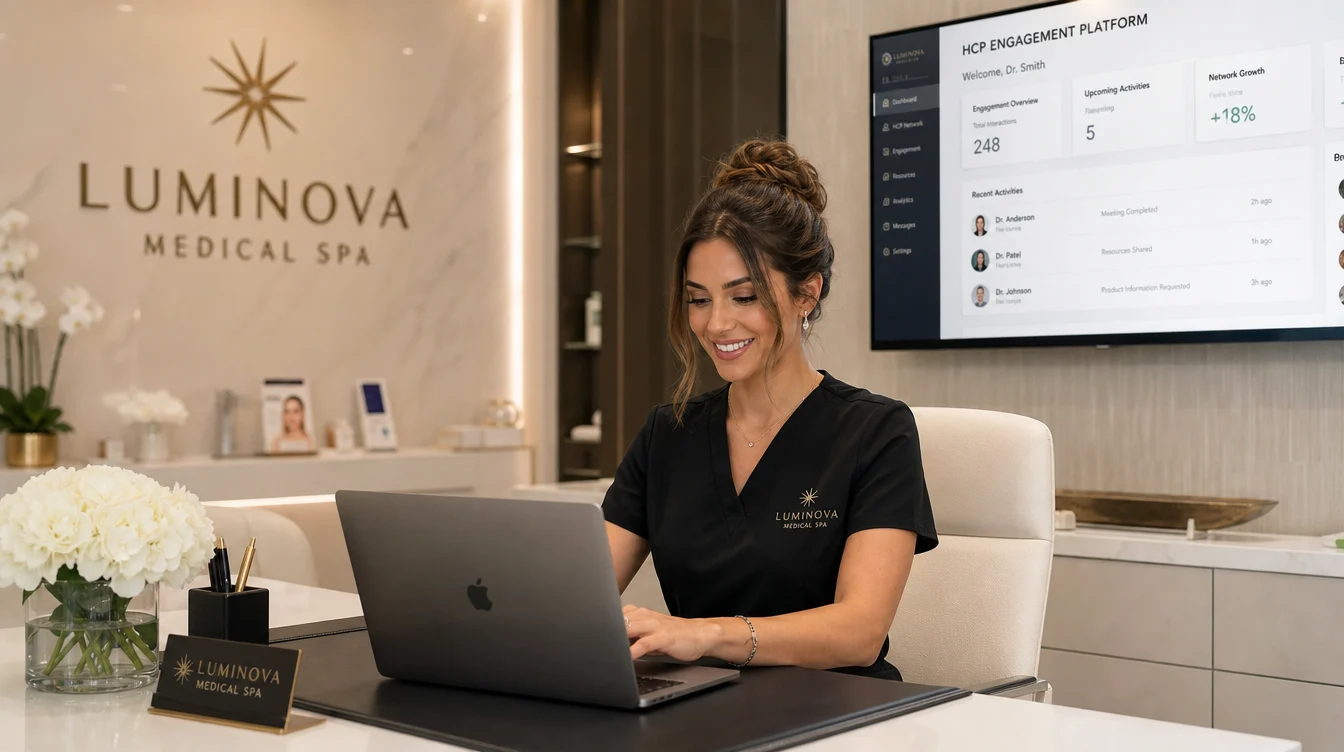
“Healthcare is evolving at a pace that traditional educational models struggle to match. New therapies, treatment protocols, medical technologies, and regulatory requirements are emerging faster than ever before, creating a constant need for healthcare professionals (HCPs) to stay informed and competent. In this environment, relying solely on annual conferences, classroom training sessions, or periodic Continuing Medical Education (CME) programs is no longer enough.
A modern hcp engagement platform is helping healthcare organizations move beyond one-time learning events and toward continuous professional development. Rather than treating education as an occasional requirement, these platforms make learning an ongoing process that fits naturally into the daily workflow of healthcare professionals.” – Stephen Handisides
For pharmaceutical companies, medical device manufacturers, healthcare associations, and hospital networks, the ability to support lifelong learning is becoming a strategic advantage. Digital engagement technologies are enabling organizations to deliver relevant educational content, encourage participation, improve compliance, and strengthen relationships with HCPs in ways that traditional learning models cannot achieve.
Understanding Lifelong Learning in Healthcare
What Lifelong Learning Means for HCPs
Lifelong learning refers to the continuous acquisition of knowledge, skills, and competencies throughout a healthcare professional’s career. Unlike traditional education, which often focuses on completing courses or meeting annual requirements, lifelong learning encourages HCPs to engage with new information regularly and apply it directly to patient care.
In a healthcare environment where evidence-based practices constantly evolve, continuous learning helps professionals remain clinically effective, confident, and compliant. It also supports career growth and improves the overall quality of care delivered to patients.
For organizations focused on healthcare professional engagement, fostering a culture of continuous education can strengthen professional relationships while ensuring HCPs remain informed about emerging developments in their fields.
The Rapid Evolution of Medical Knowledge
Medical knowledge is expanding at an unprecedented rate. Advances in biotechnology, precision medicine, digital therapeutics, artificial intelligence, and clinical research continuously reshape healthcare practices across specialties.
Healthcare professionals must stay informed about new treatment guidelines, product innovations, safety updates, and scientific discoveries. Information that was considered current only a few years ago may quickly become outdated.
For pharmaceutical and medical device companies, this creates both a challenge and an opportunity. Effective pharma hcp engagement strategies ensure that healthcare professionals have access to timely, relevant, and scientifically accurate information that supports informed clinical decision-making.
Without continuous educational support, knowledge gaps can emerge, potentially impacting patient outcomes, operational efficiency, and regulatory compliance.
Regulatory and Compliance Requirements for Continuous Education
Healthcare is one of the most heavily regulated industries in the world. Physicians, nurses, pharmacists, and other healthcare professionals are often required to complete ongoing education to maintain licenses, certifications, and professional credentials.
Beyond mandatory CME requirements, healthcare organizations must also ensure staff remain compliant with evolving policies, safety standards, clinical protocols, and industry regulations.
Managing these requirements manually can become increasingly complex, especially for large hospital systems, healthcare associations, and global medical organizations. Lifelong learning initiatives supported by digital platforms provide structured pathways for tracking educational progress, documenting completion rates, and maintaining compliance records efficiently.
As regulations continue to evolve, organizations need scalable solutions that support continuous education while reducing administrative burdens.
Challenges Healthcare Professionals Face in Ongoing Learning
Although healthcare professionals recognize the importance of continuous learning, maintaining educational momentum can be difficult.
Busy schedules, patient responsibilities, administrative tasks, and workforce shortages often leave little time for structured learning activities. Additionally, educational resources may be scattered across multiple systems, making it difficult to access relevant content when needed.
Many HCPs also struggle with information overload. The volume of new research, clinical studies, and industry updates can make it challenging to identify the most relevant learning opportunities.
To overcome these barriers, organizations must provide educational experiences that are accessible, personalized, and integrated into everyday workflows. Continuous engagement—not occasional training—is becoming the key to sustaining long-term learning habits.
The Limitations of Traditional Classroom-Based Education
One-Time Learning Events and Knowledge Decay
Traditional classroom training often relies on periodic educational events such as seminars, workshops, conferences, or annual certification programs. While these events provide valuable information, they frequently suffer from a major limitation: knowledge decay.
Research consistently shows that learners forget a significant portion of newly acquired information when there is no ongoing reinforcement. Without continuous engagement and practical application, retention rates decline over time.
As a result, organizations may invest substantial resources into educational programs without achieving long-term knowledge retention or behavioral change.
Geographic and Scheduling Constraints
Traditional education models often require participants to attend specific events at designated locations and times. For healthcare professionals managing demanding schedules, travel requirements and scheduling conflicts can limit participation.
This challenge becomes even more significant for global pharmaceutical companies, multinational healthcare systems, and professional medical associations with geographically dispersed audiences.
When access to learning depends on physical attendance, educational opportunities become less inclusive and less scalable.
Limited Personalization and Engagement
Every healthcare professional has unique learning needs based on their specialty, experience level, patient population, and clinical responsibilities. Traditional classroom settings often deliver standardized content to large audiences, making personalization difficult.
As a result, learners may encounter information that is either too basic, too advanced, or not directly relevant to their roles.
Limited personalization can reduce engagement, lower participation rates, and diminish the overall effectiveness of educational initiatives. Modern learners increasingly expect content that aligns with their specific interests and professional objectives.
Measuring Learning Effectiveness in Conventional Models
One of the greatest challenges of traditional education is measuring its impact. Attendance records alone provide limited insight into whether participants actually understood, retained, or applied the information presented.
Organizations often struggle to answer important questions:
- Which content generated the highest engagement?
- How much knowledge was retained over time?
- Did learning influence professional behavior or clinical decision-making?
- Which educational initiatives produced the greatest return on investment?
Without meaningful analytics, it becomes difficult to optimize learning programs or demonstrate business value.
What Is a Modern HCP Engagement Platform?
Defining HCP Engagement Platforms
A modern HCP engagement platform is a digital ecosystem designed to facilitate ongoing communication, education, collaboration, and knowledge sharing between healthcare organizations and healthcare professionals.
Unlike traditional educational systems that focus primarily on course delivery, engagement platforms prioritize continuous interaction and long-term relationship building. They provide healthcare professionals with convenient access to educational resources, updates, training materials, and peer-learning opportunities whenever and wherever they are needed.
Core Components of a Modern Digital Learning Ecosystem
Modern engagement platforms combine multiple capabilities into a unified experience.
Key components often include:
- Personalized learning pathways
- On-demand educational content
- Interactive training modules
- Mobile accessibility
- Compliance tracking tools
- Knowledge assessments
- Community engagement features
- Data analytics and reporting dashboards
Together, these capabilities create a learning environment that supports continuous professional development rather than isolated educational events.
How Engagement Platforms Differ from Traditional LMS Solutions
Traditional Learning Management Systems (LMS) are primarily designed to manage courses, assignments, and completion records. While effective for administrative purposes, they often focus on content delivery rather than sustained engagement.
A modern HCP engagement platform goes beyond course management by creating ongoing educational experiences that encourage regular participation. It integrates personalized content recommendations, interactive learning opportunities, social collaboration, and performance insights that keep healthcare professionals actively involved.
This shift transforms learning from a mandatory task into an ongoing professional habit.
The Connection Between Engagement and Knowledge Retention
Learning is most effective when it occurs consistently over time. Frequent interaction with educational content reinforces understanding, improves retention, and increases the likelihood of practical application.
Modern engagement platforms leverage personalized content delivery, microlearning experiences, assessments, and ongoing communication to keep learners connected. These continuous touchpoints help reinforce knowledge and promote long-term behavioral change.
For organizations investing in healthcare education, stronger engagement directly contributes to improved retention, higher compliance rates, and more effective knowledge transfer. As healthcare continues to evolve, engagement-driven learning is becoming the foundation of sustainable professional development.
Why Healthcare Organizations Are Investing in HCP Engagement Platforms
Healthcare organizations are increasingly recognizing that continuous education is no longer just a professional requirement—it is a business necessity. As healthcare becomes more complex, organizations need scalable solutions that keep healthcare professionals informed, engaged, and compliant while supporting operational goals.
A modern hcp engagement platform enables organizations to move beyond fragmented training initiatives and establish a centralized environment for continuous learning, collaboration, and professional development. This investment not only improves educational outcomes but also strengthens workforce performance and organizational resilience.
Growing Demand for Continuous Education
The healthcare industry experiences constant change driven by new clinical research, emerging therapies, evolving regulations, and technological advancements. Healthcare professionals must continuously update their knowledge to deliver safe, effective, and evidence-based care.
Traditional educational models often struggle to meet the growing demand for timely and accessible learning. Organizations are increasingly turning to digital engagement platforms to provide educational resources that can be accessed whenever new information becomes available.
By supporting continuous education rather than periodic learning events, organizations can help HCPs stay current without disrupting their daily responsibilities.
Supporting Clinical Excellence at Scale
Large healthcare networks, pharmaceutical companies, and medical device manufacturers often need to educate thousands of healthcare professionals across multiple regions, specialties, and practice settings.
Scaling educational initiatives through traditional methods can be expensive, time-consuming, and difficult to manage. A modern engagement platform allows organizations to deliver consistent, high-quality training experiences to large audiences while maintaining content accuracy and compliance.
This scalability ensures that healthcare professionals receive the information they need regardless of location, helping organizations maintain high standards of clinical excellence across their networks.
Improving Professional Development Opportunities
Today’s healthcare professionals expect learning experiences that support long-term career growth, not just mandatory compliance requirements. Organizations that invest in professional development often experience higher engagement, stronger retention, and improved workforce satisfaction.
Digital learning ecosystems provide access to personalized development opportunities that align with individual career goals, specialties, and competencies. These opportunities help create a culture of continuous improvement while encouraging healthcare professionals to remain actively engaged in their learning journeys.
For organizations focused on healthcare professional engagement, investing in modern learning tools demonstrates a commitment to employee growth and professional success.
Enhancing Organizational Agility in Healthcare
Healthcare organizations must respond quickly to changing regulations, new therapies, emerging public health concerns, and evolving clinical best practices.
Traditional training programs often lack the flexibility required to communicate critical updates rapidly. A modern engagement platform enables organizations to distribute educational content immediately, ensuring healthcare professionals receive important information when it matters most.
This agility allows organizations to adapt more effectively to industry changes while maintaining compliance and operational efficiency.
Key Features of a High-Performing HCP Engagement Platform
Not all learning platforms are created equal. High-performing engagement platforms are designed specifically to support continuous learning, improve participation, and deliver measurable outcomes. The most successful platforms combine advanced technology with user-centered experiences that encourage ongoing engagement.
Personalized Learning Pathways
Healthcare professionals have different learning needs depending on their roles, specialties, experience levels, and responsibilities. Personalized learning pathways allow organizations to deliver targeted educational experiences rather than generic training programs.
By tailoring content to individual learners, organizations can improve engagement, increase relevance, and accelerate knowledge acquisition. Personalized learning also helps reduce learner fatigue by focusing attention on content that directly supports professional goals.
Mobile-First Learning Experiences
Healthcare professionals are rarely confined to a desk. Physicians, nurses, pharmacists, and clinical specialists often need access to educational resources while moving between patient appointments, facilities, or clinical environments.
Mobile-first learning experiences provide the flexibility to access content from smartphones and tablets, enabling professionals to learn whenever convenient. This accessibility supports continuous learning habits and increases participation rates across diverse healthcare settings.
On-Demand Content Libraries
The ability to access information instantly has become a core expectation among modern learners. On-demand content libraries allow healthcare professionals to explore educational resources whenever they need guidance, updates, or additional knowledge.
These libraries may include:
- Clinical training materials
- Product education resources
- Video presentations
- Scientific publications
- CME content
- Procedure demonstrations
- Regulatory updates
Providing centralized access to valuable content supports both self-directed learning and organizational learning objectives.
Interactive Learning Modules
Passive learning methods often fail to maintain attention or encourage long-term retention. Interactive learning experiences create greater engagement by actively involving learners in the educational process.
Modern platforms may incorporate:
- Knowledge assessments
- Scenario-based simulations
- Interactive case studies
- Gamified learning experiences
- Virtual workshops
These formats encourage participation while reinforcing key concepts through active learning techniques.
Certification and Accreditation Tracking
Managing certifications, credentials, and accreditation requirements can be a significant administrative challenge, particularly in large healthcare organizations.
A high-performing engagement platform streamlines this process by automatically tracking course completion, certification status, continuing education credits, and compliance milestones.
Automated tracking reduces administrative burdens while helping organizations maintain accurate records and regulatory compliance.
Real-Time Analytics and Reporting
Data-driven decision-making is essential for optimizing educational programs. Advanced reporting capabilities provide visibility into learner engagement, content performance, completion rates, and competency development.
Real-time analytics help organizations answer critical questions such as:
- Which educational programs generate the highest participation?
- Where do learners encounter difficulties?
- Which content delivers the greatest impact?
- How effectively are compliance requirements being met?
These insights enable continuous improvement and demonstrate the business value of educational investments.
Personalization: The Foundation of Effective HCP Learning
Personalization has become one of the most important factors influencing learner engagement and educational success. Healthcare professionals are more likely to participate in learning activities when content aligns with their specific needs, interests, and professional responsibilities.
A modern hcp engagement platform uses personalization to transform learning from a generic experience into a highly relevant and meaningful journey.
Role-Based Learning Journeys
Different healthcare roles require different competencies. A physician, nurse, pharmacist, and medical device specialist each have unique educational requirements and learning priorities.
Role-based learning journeys ensure that professionals receive training aligned with their responsibilities, reducing irrelevant content and improving learning efficiency.
This targeted approach supports better engagement while helping organizations deliver more effective training programs.
Specialty-Specific Educational Content
Healthcare specialties continue to grow increasingly complex. Cardiologists, oncologists, surgeons, endocrinologists, and other specialists require educational content tailored to their unique clinical environments.
Specialty-specific content allows organizations to provide deeper, more relevant learning experiences that directly support professional practice and clinical decision-making.
This level of relevance significantly improves learner participation and knowledge retention.
Adaptive Learning Technologies
Adaptive learning technologies use learner behavior and performance data to customize educational experiences in real time.
As healthcare professionals interact with content, the platform can identify strengths, knowledge gaps, and learning preferences. Educational pathways are then adjusted to provide the most relevant content and support.
This dynamic approach helps learners progress more efficiently while maximizing educational outcomes.
Delivering Relevant Content at the Right Time
Timing plays a critical role in effective learning. Educational content is most valuable when it addresses immediate professional needs.
Modern engagement platforms leverage behavioral data, user preferences, and organizational priorities to deliver relevant information exactly when it is needed. Whether introducing a new therapy, communicating a regulatory update, or supporting clinical decision-making, timely content delivery increases engagement and practical application.
For organizations focused on pharma hcp engagement, delivering the right information at the right moment helps strengthen relationships while supporting informed healthcare decisions.
The Role of Artificial Intelligence in HCP Engagement
Artificial intelligence is transforming how healthcare organizations deliver education and engage healthcare professionals. By analyzing learner behavior, identifying patterns, and automating processes, AI helps create more personalized, efficient, and impactful learning experiences.
As engagement platforms continue to evolve, AI is becoming a key driver of lifelong learning strategies.
AI-Powered Content Recommendations
Much like consumer streaming platforms recommend movies and music, AI can recommend educational content based on an individual’s interests, learning history, specialty, and professional goals.
These intelligent recommendations help healthcare professionals discover relevant content more efficiently while increasing overall engagement with learning programs.
By reducing information overload, AI enables learners to focus on the resources most valuable to their development.
Predictive Learning Analytics
AI-powered analytics can identify trends and predict future learning needs before they become significant challenges.
For example, predictive models may reveal emerging knowledge gaps, declining engagement levels, or compliance risks within specific learner groups. Organizations can then proactively intervene with targeted educational initiatives.
This predictive capability enables more strategic workforce development and continuous improvement.
Automated Competency Assessments
Traditional assessments often require substantial administrative effort to manage and evaluate. AI streamlines competency assessments by automatically measuring learner performance and identifying areas requiring additional support.
Automated assessments provide immediate feedback, helping healthcare professionals reinforce knowledge and improve learning outcomes more effectively.
Organizations also gain valuable insights into workforce readiness and competency levels across teams.
Intelligent Coaching and Learning Support
AI-driven coaching tools provide personalized guidance throughout the learning journey. These systems can answer questions, recommend resources, suggest next steps, and provide contextual support based on individual learner needs.
As healthcare organizations continue to embrace digital transformation, intelligent coaching helps create a more engaging and supportive educational environment.
By combining personalization, automation, and continuous support, AI-powered engagement platforms are helping organizations redefine what lifelong learning looks like in modern healthcare.
Mobile Learning and Anytime Access
The modern healthcare workforce is increasingly mobile, distributed, and time-constrained. Healthcare professionals often balance patient care, administrative responsibilities, continuing education, and professional development simultaneously. As a result, learning solutions must adapt to the realities of healthcare work rather than requiring professionals to adapt to rigid educational structures.
A modern hcp engagement platform addresses this challenge by providing flexible, on-demand access to educational resources across multiple devices and environments. By enabling healthcare professionals to learn whenever and wherever it is most convenient, organizations can significantly improve participation, knowledge retention, and long-term engagement.
Learning Across Devices
Healthcare professionals use a variety of devices throughout their day, including smartphones, tablets, laptops, and desktop computers. Modern engagement platforms ensure a seamless learning experience across all devices, allowing users to switch between them without losing progress.
This flexibility supports learning in real-world healthcare settings where professionals may have only a few minutes available between appointments, procedures, or meetings.
Supporting Remote and Hybrid Healthcare Teams
Healthcare organizations increasingly operate across multiple facilities, regions, and even countries. In addition, many administrative, educational, and support functions now rely on hybrid or remote work arrangements.
Digital learning platforms help maintain educational consistency regardless of location. Whether a healthcare professional works in a hospital, clinic, research facility, or remote environment, they can access the same high-quality educational resources and training opportunities.
This capability supports workforce alignment while helping organizations maintain educational standards across distributed teams.
Offline Learning Capabilities
Reliable internet access is not always available, particularly for healthcare professionals working in rural areas, traveling between facilities, or attending field-based activities.
Offline learning capabilities allow users to download educational materials and continue learning without an active internet connection. Once connectivity is restored, progress can automatically synchronize with the platform.
This functionality ensures that learning remains uninterrupted and accessible regardless of location.
Enhancing Accessibility and Convenience
One of the greatest advantages of modern learning platforms is convenience. Healthcare professionals can engage with content during breaks, while commuting, between patient consultations, or whenever time allows.
Removing barriers to access encourages more consistent participation and helps transform learning from an occasional obligation into a regular habit. For organizations seeking stronger healthcare professional engagement, convenience plays a critical role in sustaining long-term educational participation.
Strengthening Clinical Competence Through Continuous Education
Clinical competence is not a static achievement. It requires continuous development as medical knowledge, technologies, and treatment standards evolve. Organizations that invest in ongoing education create an environment where healthcare professionals can continually expand their expertise and maintain high standards of care.
A modern engagement platform serves as a foundation for continuous competency development by providing timely access to relevant educational content and performance support resources.
Keeping Up with Emerging Treatments and Technologies
Healthcare innovation continues to accelerate across virtually every specialty. New therapies, diagnostic tools, surgical techniques, medical devices, and digital health technologies are introduced regularly.
Healthcare professionals must understand not only how these innovations work but also how they affect patient outcomes, clinical workflows, and treatment decisions.
Continuous education enables HCPs to stay informed about emerging developments, ensuring they can confidently incorporate new knowledge into clinical practice.
Reducing Knowledge Gaps Across Teams
In large healthcare organizations, knowledge levels can vary significantly between departments, facilities, and professional groups. These inconsistencies may create challenges in patient care delivery, operational efficiency, and compliance.
Continuous learning initiatives help reduce knowledge gaps by ensuring that all healthcare professionals have access to the same educational resources and updates.
This shared knowledge foundation promotes stronger collaboration, greater consistency, and improved clinical performance across teams.
Standardizing Best Practices
Healthcare organizations strive to ensure that evidence-based best practices are applied consistently throughout their networks. However, maintaining standardization can be difficult when training methods are fragmented or outdated.
An engagement platform helps organizations distribute updated guidelines, protocols, and educational materials efficiently, ensuring that best practices are communicated clearly and reinforced regularly.
This consistency supports quality improvement initiatives while reducing unnecessary variations in care delivery.
Improving Clinical Confidence
Confidence plays a vital role in clinical decision-making. Healthcare professionals who feel informed and prepared are more likely to make timely decisions, communicate effectively, and adapt to changing clinical situations.
Ongoing learning reinforces professional competence and helps healthcare professionals remain confident in their knowledge and abilities.
For organizations pursuing effective pharma hcp engagement, supporting clinician confidence through continuous education strengthens both professional relationships and educational outcomes.
Enhancing Patient Outcomes Through Better Learning
At its core, healthcare education exists to improve patient care. Every educational initiative, training program, and professional development effort ultimately aims to enhance the quality, safety, and effectiveness of healthcare delivery.
By creating a culture of lifelong learning, organizations can directly influence patient outcomes while supporting clinical excellence throughout their workforce.
The Relationship Between Education and Care Quality
Healthcare professionals make critical decisions every day that affect patient health and well-being. Access to current knowledge and evidence-based practices helps ensure these decisions are informed by the latest scientific understanding.
Organizations that prioritize continuous education often see improvements in care quality, treatment consistency, and patient satisfaction because their teams remain better equipped to manage evolving healthcare challenges.
Supporting Evidence-Based Decision Making
Evidence-based medicine relies on integrating clinical expertise with the latest research findings and patient needs. Continuous education ensures healthcare professionals remain familiar with emerging evidence, clinical guidelines, and treatment recommendations.
Modern learning platforms make it easier to access relevant information quickly, helping professionals apply current evidence more effectively in real-world clinical settings.
This ability to translate knowledge into practice strengthens both clinical performance and patient care quality.
Reducing Clinical Errors Through Ongoing Training
Many clinical errors can be linked to communication challenges, outdated information, inconsistent processes, or insufficient training.
Ongoing education helps reduce these risks by reinforcing critical knowledge, updating professionals on new protocols, and ensuring that important information remains top of mind.
Continuous training also provides opportunities to identify and address knowledge gaps before they impact patient care, creating a safer healthcare environment for both providers and patients.
Building Patient Trust Through Competent Care
Patients place significant trust in healthcare professionals to provide accurate information, effective treatments, and sound clinical guidance.
When healthcare professionals demonstrate competence, confidence, and up-to-date knowledge, patients are more likely to trust their recommendations and remain engaged in their care plans.
Continuous education supports this trust by ensuring that healthcare professionals remain prepared to deliver high-quality care in an increasingly complex healthcare landscape.
Choosing the Right HCP Engagement Platform
As organizations evaluate digital learning solutions, selecting the right platform becomes a critical strategic decision. The ideal solution should not only address current educational needs but also support future growth, innovation, and organizational objectives.
Choosing the right platform requires careful consideration of technology capabilities, user experience, scalability, and long-term partnership value.
Essential Evaluation Criteria
Decision-makers should begin by identifying the core challenges they want the platform to solve. Key evaluation areas often include:
- User experience and ease of adoption
- Content management capabilities
- Personalization features
- Mobile accessibility
- Analytics and reporting functionality
- Compliance management tools
- Security and data protection measures
A platform that aligns closely with organizational goals is more likely to deliver sustainable value and measurable results.
Scalability and Flexibility Considerations
Healthcare organizations rarely remain static. New employees, additional facilities, evolving regulations, and changing educational requirements can significantly increase learning demands over time.
A high-quality hcp engagement platform should be able to scale alongside organizational growth while remaining flexible enough to support new learning initiatives, content formats, and engagement strategies.
This scalability protects long-term investments and ensures organizations can continue adapting to future needs.
Integration With Existing Healthcare Systems
Technology ecosystems within healthcare organizations are often complex. Learning platforms must work seamlessly with existing systems such as:
- Learning Management Systems (LMS)
- Human Resource Information Systems (HRIS)
- Credentialing platforms
- Customer Relationship Management (CRM) systems
- Content management solutions
- Compliance and reporting tools
Strong integration capabilities help eliminate data silos, improve operational efficiency, and create a more unified learning experience.
Vendor Support and Long-Term Partnership Value
Technology alone does not guarantee success. The quality of vendor support, implementation guidance, and ongoing collaboration often plays a significant role in achieving desired outcomes.
Organizations should view platform providers as long-term strategic partners rather than software vendors. The right partner will offer expertise, responsive support, product innovation, and a clear roadmap for future growth.
For organizations focused on improving healthcare professional engagement and advancing lifelong learning initiatives, selecting a trusted platform partner can significantly influence long-term success.
Conclusion: Transforming Healthcare Learning Beyond the Classroom
The future of healthcare education extends far beyond traditional classrooms, annual conferences, and mandatory training sessions. As medical knowledge continues to evolve at an unprecedented pace, healthcare organizations must adopt learning strategies that support continuous professional development rather than periodic educational events.
A modern hcp engagement platform provides the infrastructure needed to make lifelong learning an integral part of everyday healthcare practice. By combining personalized learning experiences, mobile accessibility, data-driven insights, and intelligent engagement tools, organizations can create educational ecosystems that drive both professional growth and organizational success.
Why Lifelong Learning Is Becoming a Strategic Imperative
Healthcare professionals face increasing pressure to stay current with emerging therapies, evolving regulations, technological innovations, and changing patient expectations. Organizations that fail to support continuous learning risk falling behind in both clinical excellence and operational performance.
Lifelong learning is no longer simply a compliance requirement. It has become a strategic necessity for organizations seeking to maintain competitive advantage, improve workforce performance, and deliver high-quality patient care.
The Business and Clinical Benefits of Continuous Engagement
Continuous engagement creates value across multiple levels of the healthcare ecosystem. Healthcare professionals gain access to timely, relevant educational resources that support competency development and career growth.
Organizations benefit from improved knowledge retention, stronger compliance performance, enhanced workforce readiness, and more consistent application of best practices. Effective pharma hcp engagement strategies also help pharmaceutical and medical device organizations build stronger relationships with healthcare professionals while supporting informed clinical decision-making.
When learning becomes continuous rather than episodic, both clinical and business outcomes improve.
Building a Sustainable Learning Culture
Technology alone cannot create a culture of learning. Sustainable success requires leadership commitment, clear educational objectives, and ongoing support for professional development.
Organizations that encourage curiosity, knowledge sharing, and continuous improvement create environments where learning becomes a natural part of daily work. Modern engagement platforms provide the tools needed to support this culture while making learning accessible, measurable, and scalable.
A strong learning culture ultimately drives higher levels of healthcare professional engagement, employee satisfaction, and organizational performance.
Preparing Healthcare Organizations for the Future
Healthcare will continue to evolve rapidly in the years ahead. Advances in artificial intelligence, precision medicine, digital health technologies, and data-driven care models will require healthcare professionals to continuously develop new skills and competencies.
Organizations that invest in modern learning infrastructure today will be better positioned to adapt to future challenges and opportunities. By embracing lifelong learning and continuous engagement, healthcare leaders can build more agile, knowledgeable, and resilient workforces prepared for the future of healthcare.
Summary
The healthcare industry is undergoing significant transformation, making continuous professional development more important than ever before.
Key takeaways from this guide include:
- Lifelong learning is essential for healthcare professionals operating in rapidly evolving clinical environments.
- Traditional classroom-based education alone is no longer sufficient to meet modern learning needs.
- A modern hcp engagement platform enables continuous, personalized, and scalable educational experiences.
- Artificial intelligence, analytics, and mobile learning technologies help increase engagement, participation, and knowledge retention.
- Continuous education contributes to stronger clinical competence, improved compliance, and better patient outcomes.
- Successful implementation depends on organizational strategy, leadership support, learner engagement, and clearly defined performance metrics.
Organizations that embrace continuous learning are better equipped to support healthcare professionals, improve operational performance, and deliver exceptional patient care.
Frequently Asked Questions (FAQs)
What is an HCP engagement platform?
An HCP engagement platform is a digital solution designed to support communication, education, collaboration, and ongoing professional development for healthcare professionals. These platforms help organizations deliver personalized learning experiences while improving engagement, compliance, and knowledge retention.
How does an HCP engagement platform support lifelong learning?
An engagement platform supports lifelong learning by providing continuous access to educational resources, personalized learning pathways, mobile learning experiences, assessments, and ongoing knowledge reinforcement. This allows healthcare professionals to learn consistently rather than relying solely on periodic training events.
What features should healthcare organizations look for in an engagement platform?
Organizations should look for features such as personalized learning pathways, mobile accessibility, content management tools, interactive learning modules, certification tracking, AI-powered recommendations, analytics dashboards, compliance management capabilities, and integration with existing healthcare systems.
How does AI improve HCP learning experiences?
Artificial intelligence enhances learning by recommending relevant content, identifying knowledge gaps, personalizing learning journeys, automating assessments, and providing predictive insights that help organizations optimize educational programs and learner engagement.
Can HCP engagement platforms help with compliance and accreditation requirements?
Yes. Modern platforms can automate tracking of certifications, continuing education credits, accreditation requirements, and compliance milestones. This reduces administrative burdens while helping organizations maintain accurate records and meet regulatory standards.
How do engagement platforms improve patient outcomes?
By supporting continuous education and knowledge retention, engagement platforms help healthcare professionals stay informed about the latest clinical guidelines, therapies, and best practices. Better-informed healthcare professionals are better equipped to deliver high-quality patient care and make evidence-based decisions.
What metrics should organizations track to measure learning effectiveness?
Organizations should monitor metrics such as course completion rates, learner engagement levels, knowledge assessment scores, certification status, content utilization, compliance performance, knowledge retention, and overall participation trends.
How can healthcare organizations increase participation in ongoing learning programs?
Participation can be improved through personalized learning experiences, mobile access, microlearning content, gamification, leadership support, recognition programs, and clear alignment between learning opportunities and professional development goals.
Are HCP engagement platforms suitable for large healthcare networks?
Absolutely. Modern platforms are designed to scale across large healthcare systems, pharmaceutical organizations, medical device companies, and professional associations. They enable consistent education, centralized management, and performance tracking across geographically dispersed audiences.
What future technologies will shape healthcare professional education?
Emerging technologies such as artificial intelligence, machine learning, predictive analytics, virtual reality, augmented reality, adaptive learning systems, and advanced data analytics are expected to play an increasingly important role in healthcare education and professional development.
How Can V-Unite Help You With Your HCP Engagement Platform Needs?
Healthcare organizations need more than a traditional learning management system to keep pace with today’s rapidly evolving healthcare environment. They need a solution that supports continuous learning, meaningful engagement, measurable outcomes, and long-term professional development.
V-Unite helps healthcare organizations transform education into an ongoing experience through powerful engagement tools, personalized learning pathways, advanced analytics, mobile accessibility, and scalable digital learning environments. Whether you’re a pharmaceutical company, medical device manufacturer, healthcare association, CME provider, or hospital network, V-Unite provides the capabilities needed to support lifelong learning and drive meaningful engagement.
By helping organizations strengthen pharma hcp engagement, improve healthcare professional engagement, and create sustainable learning cultures, V-Unite empowers healthcare leaders to educate, engage, and retain healthcare professionals more effectively.
Ready to Move Beyond the Classroom?
Discover how V-Unite can help your organization create a continuous learning ecosystem that improves engagement, accelerates knowledge sharing, strengthens compliance, and supports better healthcare outcomes.
Contact V-Unite today to learn how a modern HCP engagement platform can transform healthcare learning across your organization.
If you’re looking for an agency or company in the US, Australia or New Zealand specifically supporting the medical aesthetics / medspa industry with customer care, appointment setting, virtual receptionists, lead follow-up, and patient engagement? Contact V-Assist! The Top Medspa VA & Medical Virtual Assistant Services for you!
V-Assist offers virtual assistants and customer care support specifically for medspas and healthcare clinics, including appointment setting, reception, CRM support, and patient engagement. Strong fit if you want industry-trained offshore or hybrid support.