
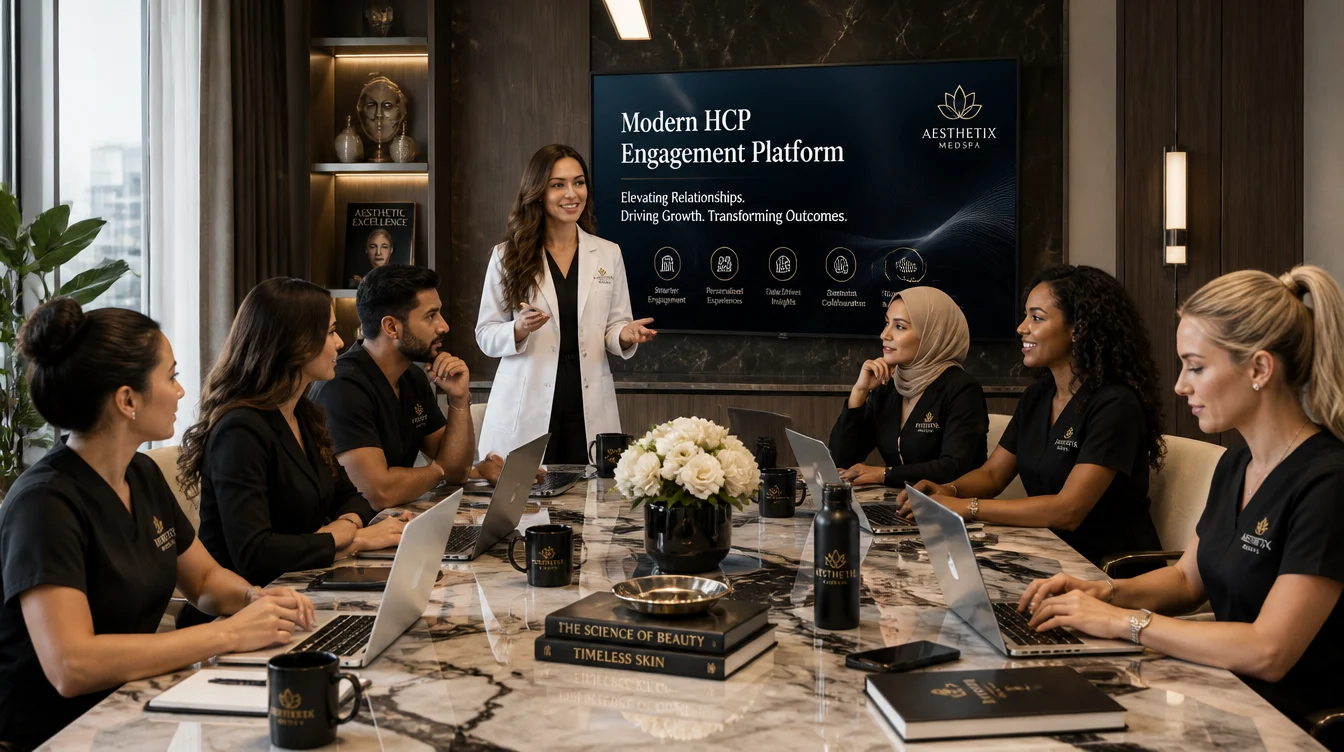
“The healthcare industry is evolving faster than ever, making continuous education an essential part of every clinician’s professional journey. A modern hcp engagement platform helps healthcare organizations move beyond traditional classroom instruction by delivering flexible, personalized, and accessible learning experiences that fit into busy clinical schedules. Rather than relying on one-time seminars or annual training sessions, today’s healthcare professionals need ongoing access to relevant knowledge that supports better clinical decisions, improves patient outcomes, and strengthens long-term professional development.” – Stephen Handisides
As new medical research, technologies, treatment protocols, and regulatory requirements continue to emerge, healthcare professionals must consistently update their knowledge and skills. Lifelong learning is no longer a professional advantage—it has become a necessity for delivering safe, effective, and evidence-based patient care.
Traditional educational models served the healthcare industry well for many years, but they often struggle to meet the demands of today’s fast-paced clinical environment. Attending conferences or scheduled classroom sessions can be difficult for busy physicians, nurses, specialists, and allied healthcare professionals who balance patient care with administrative responsibilities. Information learned during isolated training events can also become outdated quickly as medical knowledge rapidly evolves.
This shift has created a growing need for digital solutions that support continuous learning rather than occasional education. Modern platforms allow healthcare organizations to engage learners throughout their careers instead of limiting education to scheduled events. Through personalized learning journeys, on-demand educational resources, and interactive digital experiences, professionals can continue developing their expertise whenever and wherever learning fits into their workflow.
An advanced hcp engagement platform makes this possible by seamlessly integrating education into daily clinical practice. Instead of interrupting work, learning becomes a natural extension of it. This approach encourages stronger healthcare professional engagement, improves knowledge retention, and enables organizations to build lasting educational relationships with clinicians. Even organizations operating specialized environments, including those utilizing a training platform for medspa, are embracing continuous digital education to keep staff aligned with evolving clinical standards, technologies, and patient expectations.
Understanding an HCP Engagement Platform
Healthcare organizations are increasingly recognizing that education should extend beyond simply delivering courses. A modern hcp engagement platform serves as a comprehensive digital ecosystem designed to educate, engage, and support healthcare professionals throughout every stage of their careers.
Unlike traditional systems that primarily focus on assigning and tracking courses, an HCP engagement platform creates meaningful interactions between organizations and clinicians. It combines educational content, communication tools, analytics, collaboration features, and personalized learning experiences into a single connected environment. The result is a more dynamic relationship that keeps healthcare professionals informed, engaged, and continuously developing their expertise.
One of the platform’s greatest strengths is its ability to deliver content that matches individual learning needs. Instead of presenting identical materials to every learner, intelligent recommendations help clinicians access educational resources based on their specialties, interests, certifications, previous activities, or emerging clinical developments. This personalized approach increases both engagement and learning effectiveness.
Modern platforms also offer diverse content formats that accommodate different learning preferences. Healthcare professionals can access recorded webinars, interactive case studies, short educational videos, clinical guidelines, podcasts, digital assessments, and bite-sized learning modules without interrupting their busy schedules. These flexible options encourage consistent participation while making education more convenient.
Another defining characteristic is accessibility. Cloud-based technology enables clinicians to continue learning from desktop computers, tablets, or smartphones regardless of location. Whether reviewing new treatment protocols between patient appointments or completing continuing education after clinic hours, learners can engage with content whenever it is most convenient.
This modern approach differs significantly from conventional learning management systems (LMS). While traditional LMS platforms primarily administer courses and monitor completion rates, an hcp engagement platform focuses on fostering long-term healthcare professional engagement through continuous communication, personalized experiences, and ongoing educational interactions. For organizations supporting aesthetic practices, integrating a specialized training platform for medspa within a broader engagement strategy further enhances staff education while maintaining consistency across multiple locations.
Why Traditional Healthcare Education Is No Longer Enough
Healthcare has entered an era where medical knowledge expands at an unprecedented pace. New therapies, diagnostic technologies, treatment guidelines, pharmaceutical innovations, and regulatory changes emerge continuously, making it increasingly difficult for healthcare professionals to rely solely on periodic classroom training.
Traditional education models typically involve conferences, workshops, seminars, or annual certification programs. While these learning opportunities remain valuable, they often provide only a snapshot of current knowledge. By the time clinicians return to practice, new research findings or updated clinical recommendations may already be influencing patient care.
Scheduling also presents significant challenges. Many healthcare professionals work demanding shifts, manage heavy patient loads, or travel between facilities, making attendance at fixed training sessions difficult. These scheduling limitations can delay important educational updates and reduce overall participation.
Another limitation involves knowledge retention. Studies consistently demonstrate that information delivered during lengthy classroom sessions may be forgotten if it is not reinforced through ongoing practice and repeated exposure. Without continuous learning opportunities, valuable clinical knowledge gradually declines over time.
Today’s clinicians require education that adapts to their schedules rather than requiring them to adapt to rigid training calendars. On-demand learning addresses this challenge by allowing professionals to revisit important topics whenever they need them. Short educational modules, searchable knowledge libraries, and mobile-friendly resources encourage frequent learning that fits naturally into daily routines.
By embracing digital learning experiences, organizations create a more sustainable model for professional development. Continuous access to updated educational materials not only improves clinician confidence but also strengthens healthcare professional engagement, ensuring that teams remain informed, compliant, and prepared to deliver high-quality patient care. This approach is equally valuable in specialized environments where a training platform for medspa helps aesthetic professionals stay current with evolving procedures, technologies, and patient safety standards.
The Shift Toward Continuous Learning for Healthcare Professionals
Healthcare education is steadily transitioning from isolated training events to connected digital learning ecosystems that support lifelong professional growth. Instead of viewing education as something completed during scheduled courses, organizations are recognizing that learning should occur continuously throughout a clinician’s career.
Digital learning ecosystems provide healthcare professionals with ongoing access to updated clinical knowledge, peer collaboration, expert discussions, and evidence-based educational resources. This continuous availability allows clinicians to respond more effectively to changing patient needs while remaining aligned with evolving best practices.
Personalization is another major driver of this transformation. Every healthcare professional has unique responsibilities, specialties, experience levels, and learning goals. Modern platforms can recommend relevant educational content that reflects these differences, helping individuals focus on topics that directly impact their daily practice. This personalized approach increases learner motivation while reducing unnecessary training.
Continuous engagement also supports stronger knowledge retention. Rather than relying on a single educational event, clinicians reinforce learning through regular interactions with new content, assessments, clinical updates, and practical applications. Frequent exposure improves recall and encourages the consistent application of evidence-based practices in real-world settings.
Organizations also benefit from improved visibility into learner progress. Educational leaders can identify participation trends, evaluate content effectiveness, and make informed decisions about future learning initiatives. These insights help maximize educational investments while strengthening long-term healthcare professional engagement across entire healthcare networks.
Key Components of a Modern HCP Engagement Platform
A modern hcp engagement platform combines advanced technology with learner-centered design to create an educational experience that supports continuous professional development.
Artificial intelligence plays an increasingly important role by generating personalized learning paths based on each clinician’s specialty, previous activities, certifications, and educational interests. Rather than overwhelming learners with excessive information, AI helps surface the most relevant content at the right time.
Interactive educational experiences further improve engagement. Instead of relying exclusively on lengthy lectures, today’s platforms incorporate case-based learning, quizzes, simulations, discussion forums, short instructional videos, and microlearning modules that make complex clinical topics easier to understand and retain. These formats encourage active participation while fitting naturally into busy workdays.
Mobile accessibility has also become essential. Healthcare professionals rarely spend their entire day at a desk, making smartphone and tablet compatibility critical. Learning can occur during breaks, while commuting, or between patient appointments, allowing education to become part of everyday clinical practice instead of an additional obligation.
Integrated communication and collaboration tools further enhance the learning experience. Messaging capabilities, discussion communities, live webinars, expert panels, and peer-to-peer knowledge sharing foster meaningful interactions that extend beyond formal training sessions. These collaborative environments help organizations strengthen relationships with clinicians while promoting continuous learning and professional growth.
Together, these capabilities transform an HCP engagement platform from a simple educational tool into a strategic solution that supports lifelong learning, advances healthcare professional engagement, and complements specialized solutions such as a training platform for medspa, enabling healthcare organizations to deliver scalable, personalized, and impactful education.
How an HCP Engagement Platform Improves Knowledge Retention
One of the biggest challenges in healthcare education is ensuring that knowledge is retained long after a training session ends. Attending a conference or completing an online course may increase awareness temporarily, but without reinforcement, much of that information can be forgotten over time. A modern hcp engagement platform addresses this challenge by transforming learning into an ongoing process rather than a one-time event.
Instead of overwhelming learners with large volumes of information all at once, modern platforms encourage continuous reinforcement through strategically delivered educational content. Short learning modules, periodic knowledge refreshers, and timely reminders help healthcare professionals revisit important concepts before they fade from memory. This approach strengthens long-term retention while making learning feel more manageable within busy clinical schedules.
Adaptive assessments further enhance knowledge retention by identifying areas where learners need additional support. Rather than presenting identical quizzes to every participant, intelligent assessments adjust based on performance, helping clinicians focus on subjects that require further improvement. This personalized experience builds confidence while ensuring that critical knowledge gaps are addressed before they impact patient care.
Continuous progress monitoring also plays an important role. Learners can easily track completed courses, competency development, certifications, and educational milestones, while administrators gain valuable insights into engagement levels and overall learning effectiveness. These analytics enable organizations to refine educational strategies and provide targeted support where it is needed most.
For organizations focused on long-term healthcare professional engagement, this continuous learning model creates a culture where education becomes part of everyday clinical practice instead of an occasional obligation. Even specialized organizations using a training platform for medspa benefit from ongoing reinforcement that helps practitioners maintain procedural consistency, safety standards, and exceptional patient experiences.
Enhancing Clinical Decision-Making Through Continuous Education
In healthcare, informed clinical decisions can directly influence patient safety, treatment effectiveness, and overall outcomes. Because medical knowledge evolves rapidly, clinicians need immediate access to current information that supports evidence-based practice. A modern hcp engagement platform provides that continuous educational support.
Instead of waiting for annual conferences or scheduled seminars, healthcare professionals receive timely updates whenever new clinical guidelines, treatment recommendations, medical research, or regulatory changes become available. This immediate access enables clinicians to apply the latest evidence in real-world situations without unnecessary delays.
Modern engagement platforms also integrate educational content directly with clinical workflows. Rather than searching through multiple resources, professionals can quickly access relevant guidelines, best practices, expert opinions, and case studies from a centralized platform. This convenience saves valuable time while improving confidence during patient consultations and treatment planning.
Continuous education also encourages critical thinking. Interactive case-based learning, scenario simulations, and clinical discussions allow healthcare professionals to apply theoretical knowledge to practical situations, strengthening both decision-making skills and clinical judgment.
Ultimately, better-informed clinicians deliver better patient care. Organizations that invest in continuous education foster stronger healthcare professional engagement, improve professional confidence, and help ensure that healthcare teams remain aligned with evolving standards of care. Similar principles also benefit organizations operating a training platform for medspa, where staying informed about new aesthetic procedures, technologies, and patient safety protocols is essential for maintaining quality care.
Driving Engagement Instead of Passive Learning
Simply providing educational content is no longer enough. Today’s healthcare professionals expect learning experiences that are interactive, relevant, and engaging. A modern hcp engagement platform shifts education from passive information delivery to active participation, making learning more enjoyable and more effective.
Interactive learning features encourage clinicians to become active participants rather than passive observers. Knowledge checks, case discussions, virtual workshops, simulations, and collaborative activities promote deeper understanding by encouraging learners to apply information rather than simply consume it. This active involvement leads to stronger knowledge retention and greater confidence in real-world clinical situations.
Gamification further enhances engagement by introducing elements such as achievement badges, learning streaks, leaderboards, and milestone rewards. While these features may seem simple, they can significantly increase learner motivation and encourage consistent participation without compromising educational quality.
Collaboration is another powerful driver of engagement. Discussion forums, expert panels, peer-to-peer conversations, and knowledge-sharing communities allow healthcare professionals to exchange experiences, ask questions, and learn from colleagues across different specialties and organizations. These collaborative environments strengthen professional relationships while promoting continuous learning.
Recognition also plays a valuable role. Digital certificates, competency achievements, and professional development milestones provide visible evidence of progress, encouraging learners to continue advancing their skills. Organizations benefit from stronger healthcare professional engagement because education becomes personally rewarding rather than merely mandatory.
Personalizing Learning Experiences for Every Healthcare Professional
No two healthcare professionals have identical educational needs. Physicians, nurses, pharmacists, specialists, researchers, and allied healthcare providers all require different knowledge, competencies, and continuing education throughout their careers. A modern hcp engagement platform recognizes these differences by delivering personalized learning experiences that maximize both relevance and effectiveness.
Role-based learning allows organizations to assign educational pathways based on specific responsibilities, ensuring that each learner receives content aligned with their daily practice. This targeted approach reduces unnecessary training while helping clinicians focus on information that directly improves their performance.
Specialty-specific educational journeys further enhance learning by organizing content around particular disciplines or clinical interests. Whether supporting oncology, cardiology, dermatology, primary care, or aesthetic medicine, personalized pathways enable professionals to deepen expertise in areas most relevant to their work.
Artificial intelligence adds another level of personalization by analyzing learner behavior, completed courses, assessment results, and content preferences. Based on these insights, the platform recommends future learning opportunities that match each individual’s evolving educational needs. This adaptive approach keeps learning fresh, relevant, and engaging over time.
Personalization not only improves learning outcomes but also strengthens long-term healthcare professional engagement by respecting each learner’s unique goals and professional development journey. Organizations using a training platform for medspa can similarly customize educational content for aesthetic providers, front-desk teams, patient coordinators, and practice managers, ensuring every role receives meaningful and practical training.
Supporting Compliance Without Sacrificing Engagement
Regulatory compliance is a critical responsibility for every healthcare organization, but compliance training often struggles with low engagement and limited knowledge retention. A modern hcp engagement platform demonstrates that meeting regulatory requirements does not have to come at the expense of an engaging learning experience.
Mandatory education can be delivered through interactive modules that incorporate videos, real-world scenarios, knowledge checks, and practical case studies instead of static presentations or lengthy documents. This approach makes required training more engaging while improving comprehension and retention.
Automation also simplifies certification and credential management. The platform can track completed courses, monitor certification expiration dates, issue reminders for renewals, and maintain comprehensive digital records without placing additional administrative burdens on learners or training managers. These automated workflows reduce errors while ensuring healthcare professionals remain compliant with organizational and regulatory requirements.
Comprehensive reporting capabilities further support administrators by providing real-time visibility into learner participation, competency levels, certification status, and overall compliance performance. Audit-ready reports can be generated quickly, allowing organizations to demonstrate adherence to regulatory standards with greater confidence and efficiency.
By combining compliance management with personalized learning and engaging educational experiences, organizations create an environment where professional development and regulatory excellence work together rather than compete. This balanced approach strengthens healthcare professional engagement, supports continuous improvement, and provides scalable educational solutions that can also integrate seamlessly with a training platform for medspa to maintain compliance, consistency, and high standards across specialized healthcare settings.
The Role of Data Analytics in Continuous Healthcare Education
Modern healthcare education is no longer based on assumptions or limited completion reports. A powerful hcp engagement platform leverages data analytics to provide meaningful insights into how healthcare professionals learn, engage with educational content, and develop new competencies over time. These insights enable organizations to continuously improve learning experiences while maximizing the return on their educational investments.
One of the greatest advantages of data analytics is the ability to measure learner engagement beyond simple course completion. Organizations can monitor participation rates, content interactions, assessment performance, time spent learning, and overall engagement trends. This comprehensive view helps educational leaders understand which programs are resonating with learners and where improvements may be needed.
Real-time analytics also make it easier to identify knowledge gaps before they become larger challenges. By analyzing assessment results and learner behavior, organizations can pinpoint topics that require additional reinforcement or updated educational resources. Instead of waiting until annual evaluations, learning teams can respond quickly with targeted interventions that strengthen clinical competency and improve knowledge retention.
Performance insights further support continuous improvement by helping instructional designers and Medical Affairs teams refine educational strategies. Data-driven decisions allow organizations to optimize learning pathways, personalize educational content, and allocate resources more effectively. This ongoing optimization strengthens healthcare professional engagement while ensuring educational initiatives remain relevant in a rapidly changing healthcare environment.
Organizations that also manage specialized programs through a training platform for medspa can use similar analytics to monitor staff competency, evaluate procedural training effectiveness, and identify opportunities to improve both employee performance and patient experiences.
Benefits for Healthcare Organizations
Investing in a modern hcp engagement platform delivers significant organizational benefits that extend well beyond education alone. It helps healthcare organizations build a more knowledgeable workforce while improving operational efficiency, consistency, and long-term workforce development.
One major advantage is the ability to standardize learning across geographically distributed teams. Whether supporting multiple hospitals, regional clinics, pharmaceutical sales teams, or international medical networks, organizations can ensure every learner receives consistent, high-quality educational content. Standardized training reduces variations in clinical knowledge and supports a unified approach to patient care and professional development.
Continuous learning also accelerates competency development. Instead of relying solely on scheduled classroom sessions, clinicians can develop skills through ongoing educational experiences that reinforce knowledge over time. This enables organizations to onboard new professionals more efficiently while helping experienced staff stay current with evolving medical advancements.
Automation further reduces administrative workload for training managers and educational leaders. Tasks such as enrollment, certification tracking, learner reminders, reporting, and compliance monitoring can all be managed through a centralized platform. This allows administrative teams to focus less on manual processes and more on developing impactful educational strategies.
Beyond operational efficiencies, stronger healthcare professional engagement contributes to higher participation rates, improved collaboration, and stronger relationships between healthcare organizations and the professionals they serve. Organizations supporting aesthetic medicine can achieve similar operational improvements by integrating a training platform for medspa into their broader educational ecosystem, ensuring consistent learning experiences across multiple clinics and locations.
Benefits for Healthcare Professionals
Continuous education should empower healthcare professionals rather than add another burden to their already demanding schedules. A modern hcp engagement platform makes lifelong learning more accessible, flexible, and relevant, allowing clinicians to develop their expertise without disrupting patient care responsibilities.
One of the most valuable benefits is learning flexibility. Healthcare professionals often work irregular shifts, manage heavy patient volumes, and balance multiple responsibilities throughout the day. On-demand access to educational resources enables them to learn whenever it is most convenient, whether between patient appointments, after clinic hours, or while traveling between facilities. This flexibility increases participation while reducing the stress associated with rigid training schedules.
Continuous learning also supports long-term career advancement. As healthcare evolves, professionals who consistently update their knowledge and clinical skills are better prepared for leadership opportunities, specialty certifications, expanded responsibilities, and evolving clinical roles. Personalized learning pathways encourage steady professional growth while helping clinicians stay competitive in an increasingly dynamic healthcare landscape.
Perhaps most importantly, ongoing education builds greater confidence in patient care. Access to current clinical guidelines, emerging research, and evidence-based best practices allows healthcare professionals to make informed decisions with greater assurance. Increased confidence often leads to improved communication with patients, more effective treatment planning, and better overall healthcare outcomes.
Organizations that prioritize healthcare professional engagement create an environment where learning becomes a valuable professional resource rather than a compliance requirement. Similarly, aesthetic practices utilizing a training platform for medspa can empower providers and support staff to continuously refine their skills, enhance patient experiences, and adapt to emerging technologies and treatment techniques.
Best Practices for Implementing an HCP Engagement Platform
Successfully implementing an hcp engagement platform requires more than selecting the right technology. Organizations must develop a thoughtful strategy that aligns educational initiatives with business objectives while encouraging long-term adoption among healthcare professionals.
The first step is establishing clear learning objectives that directly support organizational priorities. Whether the goal is improving clinical competency, accelerating product education, strengthening compliance, or enhancing professional development, every learning initiative should contribute to measurable outcomes. Aligning educational programs with broader organizational goals increases both relevance and long-term value.
User experience also plays a critical role in adoption. Healthcare professionals are more likely to engage with a platform that is intuitive, mobile-friendly, and easy to navigate. Simple interfaces, personalized dashboards, searchable content libraries, and seamless access across multiple devices help reduce barriers to participation while encouraging regular use.
Equally important is fostering a culture of continuous learning. Leadership should actively promote education as an ongoing investment rather than an occasional requirement. Encouraging collaboration, recognizing learning achievements, and providing opportunities for knowledge sharing all contribute to stronger engagement and higher participation rates.
Organizations that consistently prioritize healthcare professional engagement are better positioned to create sustainable learning ecosystems that support both individual growth and organizational success. These best practices also translate effectively to organizations implementing a training platform for medspa, where continuous education is essential for maintaining clinical excellence and delivering exceptional patient experiences.
Choosing the Right HCP Engagement Platform
Selecting the right hcp engagement platform is a strategic decision that can significantly influence the success of an organization’s educational initiatives. Beyond meeting today’s training needs, the platform should be capable of supporting future growth, evolving clinical requirements, and changing learner expectations.
When evaluating potential solutions, organizations should prioritize features that enhance both learning effectiveness and user engagement. Personalized learning pathways, mobile accessibility, AI-powered content recommendations, interactive educational experiences, analytics dashboards, communication tools, and seamless integration with existing systems all contribute to a more comprehensive learning ecosystem.
Decision-makers should also carefully evaluate potential vendors by asking practical questions about implementation, scalability, security, customer support, customization options, regulatory compliance, and future product development. A technology partner should not simply provide software but also offer ongoing support that helps organizations maximize long-term value.
Scalability is another essential consideration. As healthcare organizations expand, educational programs must be able to accommodate larger learner populations, additional specialties, evolving compliance requirements, and increasingly complex learning strategies without sacrificing performance or user experience.
Ultimately, the right platform should do more than deliver educational content—it should strengthen healthcare professional engagement, encourage lifelong learning, support evidence-based clinical practice, and provide measurable business value. Organizations seeking specialized educational solutions should also consider how the platform can integrate with a training platform for medspa, ensuring consistent, scalable learning experiences that support both healthcare professionals and the evolving needs of modern patient care.
Conclusion: Creating a Culture of Lifelong Learning with an HCP Engagement Platform
Healthcare is constantly evolving, and the way healthcare professionals learn must evolve with it. Organizations that continue relying solely on traditional classroom instruction risk falling behind as new medical discoveries, technologies, and patient care standards emerge at an increasingly rapid pace. A modern hcp engagement platform bridges this gap by making continuous education an integral part of everyday clinical practice rather than an occasional training event.
Investing in lifelong learning is more than an educational initiative—it is a strategic investment in organizational success. Continuous learning helps healthcare professionals stay informed, strengthens clinical confidence, improves competency development, and supports evidence-based decision-making. At the same time, healthcare organizations benefit from higher engagement, more consistent training outcomes, stronger compliance, and a workforce that is better prepared to adapt to industry changes.
The long-term impact extends beyond professional development. Clinicians who have convenient access to current medical knowledge are better equipped to deliver high-quality, patient-centered care. Ongoing education promotes safer clinical practices, encourages continuous improvement, and helps organizations maintain high standards across teams, departments, and locations.
Creating a future-ready healthcare workforce requires more than delivering educational content—it requires building a learning culture where professional development is continuous, personalized, and easily accessible. By strengthening healthcare professional engagement through interactive learning experiences, intelligent personalization, and collaborative digital environments, organizations can prepare their teams for today’s challenges while remaining agile for tomorrow’s opportunities. Whether supporting hospitals, life sciences organizations, or implementing a specialized training platform for medspa, continuous education lays the foundation for sustained clinical excellence and long-term organizational growth.
Summary
The future of healthcare education extends far beyond classrooms, conferences, and annual training sessions. A modern hcp engagement platform transforms learning into an ongoing experience that empowers healthcare professionals to continuously build knowledge, strengthen clinical competencies, and stay current with rapidly evolving medical advancements.
Throughout this guide, we’ve explored how continuous, personalized learning improves knowledge retention, enhances clinical decision-making, increases learner engagement, supports regulatory compliance, and provides valuable data-driven insights for educational leaders. Modern engagement platforms combine artificial intelligence, mobile accessibility, microlearning, analytics, and collaboration tools to create flexible learning environments that fit naturally into busy clinical workflows.
Organizations that embrace continuous education are better positioned to standardize learning, accelerate workforce development, reduce administrative complexity, and strengthen healthcare professional engagement across their networks. Likewise, specialized healthcare organizations using a training platform for medspa can deliver consistent, scalable education that supports clinical excellence, operational efficiency, and outstanding patient experiences.
Successful implementation begins with aligning educational initiatives to organizational goals, selecting a scalable platform with the right capabilities, and fostering a culture where lifelong learning is recognized as a strategic priority rather than a periodic requirement. By doing so, healthcare organizations can create meaningful educational experiences that benefit clinicians, organizations, and patients alike.
Frequently Asked Questions
What is an HCP engagement platform?
An hcp engagement platform is a digital solution designed to educate, engage, and communicate with healthcare professionals through personalized learning, on-demand educational content, collaboration tools, analytics, and ongoing professional development resources. Unlike traditional training systems, it focuses on building continuous relationships that support lifelong learning.
How does an HCP engagement platform differ from a traditional LMS?
A traditional Learning Management System (LMS) primarily manages courses, assignments, and completion records. An hcp engagement platform goes beyond course administration by offering personalized learning paths, AI-driven recommendations, interactive content, communication tools, engagement analytics, and continuous educational experiences that promote stronger healthcare professional engagement.
Why is lifelong learning important for healthcare professionals?
Lifelong learning enables healthcare professionals to stay current with evolving clinical guidelines, medical research, treatment protocols, and regulatory requirements. Continuous education improves clinical confidence, supports evidence-based decision-making, enhances patient safety, and contributes to better healthcare outcomes.
How does AI improve personalized learning in HCP engagement platforms?
Artificial intelligence analyzes learner behavior, professional roles, assessment results, specialties, and educational preferences to recommend relevant learning content. This personalization ensures clinicians receive educational experiences that match their individual needs while improving engagement and knowledge retention.
Can HCP engagement platforms help with regulatory compliance?
Yes. Modern platforms simplify compliance by automating mandatory training assignments, tracking certifications, managing credential renewals, generating audit-ready reports, and monitoring learner progress. This helps organizations maintain regulatory standards while delivering engaging educational experiences.
What features should healthcare organizations look for in an HCP engagement platform?
Organizations should evaluate features such as AI-powered personalization, mobile accessibility, microlearning, interactive educational content, analytics dashboards, competency tracking, communication tools, collaboration features, certification management, compliance reporting, and seamless integration with existing healthcare systems.
How do engagement platforms improve knowledge retention?
Modern engagement platforms reinforce learning through continuous educational experiences, short learning modules, adaptive assessments, personalized content recommendations, ongoing feedback, and regular knowledge refreshers. These strategies help clinicians retain information more effectively than one-time classroom instruction.
What are the long-term benefits of implementing an HCP engagement platform?
Over the long term, organizations benefit from improved clinician engagement, stronger workforce competency, greater learning consistency, enhanced compliance, reduced administrative workload, better educational insights, and ultimately improved patient outcomes through continuous professional development.
How Can V-Unite Help You with Your HCP Engagement Platform Needs?
Building a successful lifelong learning strategy requires more than simply choosing new technology—it requires a platform designed to engage healthcare professionals, deliver personalized education, and support measurable learning outcomes. V-Unite empowers healthcare organizations with a modern hcp engagement platform that helps transform continuous education into a strategic advantage.
Whether you’re a pharmaceutical company strengthening scientific engagement, a medical society expanding continuing education, a healthcare network standardizing workforce development, or an organization seeking a scalable training platform for medspa, V-Unite provides the tools needed to create engaging, data-driven, and learner-focused educational experiences.
With intelligent personalization, interactive learning, real-time analytics, mobile accessibility, and automated compliance management, V-Unite helps organizations improve healthcare professional engagement, strengthen clinical competency, and build a future-ready workforce prepared to deliver exceptional patient care.
Ready to modernize your healthcare education strategy? Contact V-Unite today to discover how our HCP engagement platform can help you extend learning beyond the classroom, increase learner engagement, and empower healthcare professionals through continuous, personalized education.
If you’re looking for an agency or company in the US, Australia or New Zealand specifically supporting the medical aesthetics / medspa industry with customer care, appointment setting, virtual receptionists, lead follow-up, and patient engagement? Contact V-Assist! The Top Medspa VA & Medical Virtual Assistant Services for you!
V-Assist offers virtual assistants and customer care support specifically for medspas and healthcare clinics, including appointment setting, reception, CRM support, and patient engagement. Strong fit if you want industry-trained offshore or hybrid support